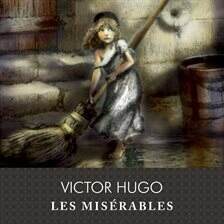
This is an Abridged EditionVictor Hugo began writing Les Miserables twenty years before its eventual publication in 1862. Les Miserables is primarily a great humanitarian work that encourages compassion and hope in the face of adversity and injustice. It is also a historical novel of great scope, and provides a detailed vision of nineteenth-century French politics and society. Hugo hoped Les Miserables would encourage a more progressive and democratic future. Hugo wrote Les Miserables with a literary and political revolution in mind.Les Miserables emphasizes the three major predicaments of the nineteenth century. Each of the three major characters in the novel symbolizes one of these predicaments: Jean Valjean represents the degradation of man in the proletariat, Fantine represents the subjection of women through hunger, and Cosette represents the atrophy of the child by darkness.