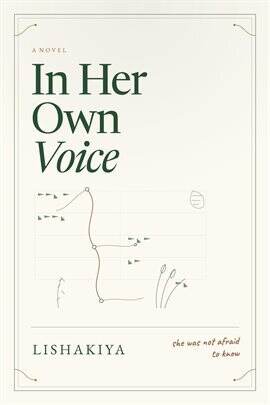
Ava has four names. Not one of them has ever felt like hers.
She translates dead languages for other people's projects and lets other people take the credit. She has made herself, carefully and over many years, difficult to find. Then a free ticket and an hour to fill put her in front of a museum case: a queen four thousand years dead, her gold laid out behind glass, and beside it a white card the size of a hand. It lists what the queen owned, how she died, and how many people were buried around her so she would not go down into the dark alone. It does not give her name. Identity uncertain, it says, and apologises.
That night Ava dreams in a language she has never studied, and understands every word.
What follows is a descent, backwards through four thousand years and through the women she has already been. A midwife in the Rhineland who knew too much with her hands. A copyist in Alexandria who corrected the story in the margin, in the dark, knowing what it would cost. A girl by the Nile. The queen at Ur. And beneath them all the first of them, a woman in a garden who reached out her hand and has been explained ever since by everyone except herself.
As the lives surface, the small safe life Ava built begins to come apart: a sister she has not visited, a marriage she folded herself out of, a commission she should never have accepted. To finish what she has started, she will have to do the one thing she has spent her whole life avoiding. She will have to put her own name to something.
In Her Own Voice is a novel about erasure and the long work of undoing it: about who is permitted to know, who is allowed to be named, and what it costs a woman to stop apologising for taking up room.